A Guide to Electrical Services: What Your Contractor Can Provide for You
Understanding the scope of electrical services is essential for homeowners. A qualified professional contractor holds significant importance in enhancing efficiency and safety. They deliver various services, from initial installations to upgrades and maintenance. Identifying the ideal contractor involves weighing a variety of important factors. Property owners often overlook the significance of adhering to safety regulations. As the topic develops, important findings will surface about improving electrical system performance and guaranteeing a sense of security. Which electrical needs should homeowners place at the top of their list?
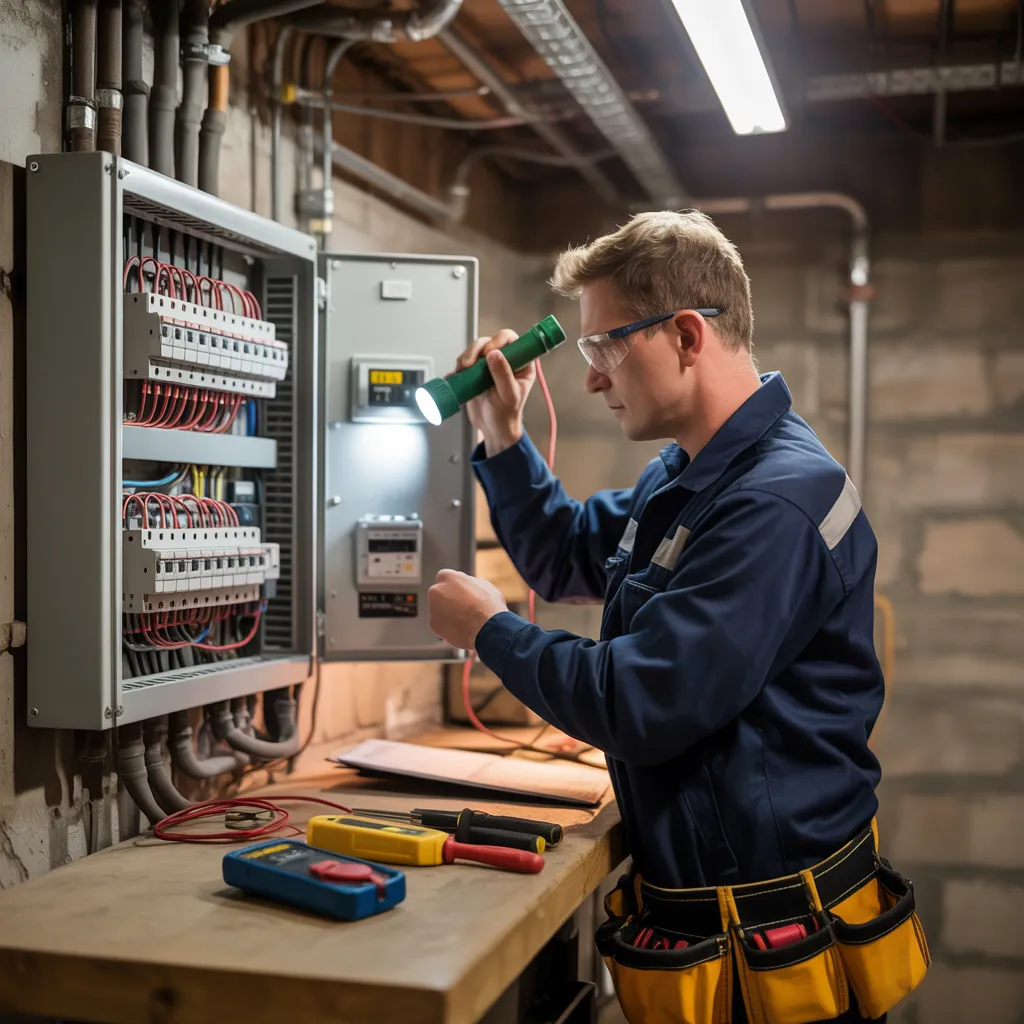
What Kinds of Electrical Services Do Contractors Offer?
Electricians deliver a wide range of solutions designed to address diverse home, business, and industrial requirements. They handle installations, including circuit breakers, lighting systems, and outlets. Moreover, they provide maintenance services to ensure electrical systems function reliably and securely. Troubleshooting and repairs are another crucial aspect of their offerings, addressing issues like faulty wiring or malfunctioning appliances.
In addition, electrical contractors specialize in modernizing current electrical infrastructure to meet contemporary requirements, including eco-friendly solutions and intelligent home systems. They additionally provide support for compliance with local electrical codes, confirming that installations comply with safety regulations. For business clients, services often include large-scale endeavors, such as infrastructure wiring for commercial buildings and industrial complexes. All things considered, electrical contractors are fundamental to making sure that electrical systems are reliable, safe, and up to date, meeting the individual needs of all clients.
Key Factors in Choosing an Electrical Contractor?
When selecting an electrical contractor, two important elements must be evaluated: experience and qualifications, along with proper licensing and adequate insurance. An electrician's level of expertise typically indicates their capability to address a wide range of electrical tasks with safety and precision. Confirming adequate licensing and insurance safeguards the homeowner while also validating the contractor's credibility and professional standing.
Professional Experience and Credentials
Picking an electrical contractor demands careful consideration of their experience and qualifications, which are critical signs of reliability and expertise. A contractor with extensive experience is likely familiar with a wide range of electrical issues and configurations, facilitating more effective problem-solving. In addition, reviewing a contractor's certifications, such as their certifications and training, can provide insight into their knowledge of current industry technologies and standards. Seasoned contractors are also better equipped to foresee potential challenges and offer effective answers, ensuring a more seamless project completion. At the end of the day, selecting a contractor who demonstrates both experience and relevant qualifications can significantly influence the standard and reliability of electrical work, cultivating trust and confidence in the services provided.
Licensing and Insurance Requirements
Licensing and insurance considerations hold a significant place in the choice of an electrical contractor, as they confirm conformity with regional requirements and provide protection for both the contractor and the homeowner. Contractors must possess the appropriate licenses, which demonstrate their technical competence and understanding of safety standards. This guarantees superior craftsmanship and minimizes the risk of legal disputes. Additionally, adequate insurance coverage protects clients from financial liability in case of accidents or damages during the project. Customers should validate a contractor's credentials by reviewing their licensing and insurance records. By emphasizing the importance of licensed and insured experts, clients can trust in their selection, knowing that the electrical work will be carried out safely and competently.
What to Anticipate During Electrical Installation
During the electrical installation process, a detailed pre-installation assessment is necessary to ensure all requirements are met. This approach works to identify potential issues and enables thorough planning. Furthermore, strict safety protocols are implemented to safeguard both the personnel and the premises for the duration of the installation.
Pre-Installation Evaluation Process
A detailed pre-installation assessment is vital for a smooth electrical installation. This procedure generally commences with a thorough site inspection where the contractor assesses the existing electrical infrastructure and detects any potential challenges. During this step, contractors also collect information about the specific electrical needs of the client, confirming that the proposed system corresponds to their expectations. Furthermore, load calculations are performed to establish the proper capacity and setup of the electrical system. The contractor may also assess local codes and regulations to ensure compliance. This extensive assessment not only aids in planning the installation but also works to prevent unexpected issues, contributing to a more efficient execution of the electrical project.
Safety Guidelines Established
Applying stringent safety protocols is fundamental to any electrical installation. Electrical contractors focus on establishing a secure work environment by following rigorous standards. This involves performing a detailed risk evaluation prior to starting the project, making certain that every crew member is provided with suitable personal complete article protective equipment (PPE). In the course of installation, the contractor applies lockout/tagout measures to eliminate the risk of accidental circuit energization. Regular safety briefings are conducted to keep the crew informed of potential hazards. Furthermore, the job site is regularly inspected for adherence to local electrical codes and regulations, confirming that all work meets established safety requirements. By following these protocols, contractors greatly reduce the risk of accidents, ensuring a safer experience for both workers and property owners.
Five Common Electrical Repairs and the Best Ways to Address Them
When property owners face electrical problems, being aware of the most typical repairs can expedite the troubleshooting process. A common problem involves defective outlets, often resolved by replacing the outlet or ensuring proper wiring connections. Another typical repair concerns circuit breakers that repeatedly trip, which may require inspecting for overloaded circuits or damaged wiring. Intermittent lights can suggest loose connections or obsolete fixtures, necessitating replacement or thorough inspection. Furthermore, electrical surges can harm household devices, encouraging the setup of surge protectors to secure electronics. Furthermore, dead switches often indicate faulty wiring or the need for switch replacement, guaranteeing that electrical systems operate effectively. Understanding these concerns permits residents to collaborate productively with licensed electricians, supporting swifter and more thorough resolutions. All of these typical repairs underscores the significance of resolving electrical issues swiftly to preserve safety and efficiency throughout the residence.
Why Regular Electrical Services Maintenance Matters
Routine electrical services upkeep is essential for ensuring both efficiency and safety in a home's electrical system. As time passes, wear and tear can lead to issues such as faulty wiring, overloaded circuits, or outdated components, increasing the risk of electrical fires and equipment failure. Scheduled inspections by certified professionals can identify potential problems before they worsen, enabling timely corrections or upgrades.
In addition, consistent maintenance plays a vital role in optimizing energy efficiency, helping to lower utility bills and prolong the lifespan of appliances. It further ensures conformity with local building codes and safety regulations, protecting homeowners from legal liabilities. Neglecting maintenance can lead to unexpected breakdowns, leading to significant inconvenience and expensive repairs. By making regular electrical services a priority, homeowners can safeguard their property, enhance the reliability of their electrical systems, and gain peace of mind knowing their electrical infrastructure remains in excellent condition.
Benefits and Options for Upgrading Your Electrical Systems
Modernizing electrical systems presents several improvements that can greatly improve a property's performance and security. Increased energy efficiency is one of the key advantages, as modern systems employ cutting-edge technology to lower energy usage and lower utility bills. Improved safety mechanisms, such as circuit breakers and surge protectors, considerably reduce the likelihood of electrical fires and device damage.
Homeowners also gain access to increased power capacity, supporting the rising number of electronic devices and appliances in contemporary homes. This improvement enables the placement of more outlets and individual circuits for primary appliances, reducing the risk of overloading existing wiring.
Additionally, cosmetic upgrades can be accomplished through new lighting fixtures and smart home integrations, facilitating personalized ambiance and convenience. With multiple options available, including complete rewiring or selective upgrades, homeowners can customize their electrical modifications to meet specific needs and budgets, ultimately increasing the property's value.
How to Maintain Compliance With Electrical Safety Standards
Ensuring compliance with electrical safety requirements is essential for homeowners and contractors alike. To achieve this, it is necessary to keep current with local codes and standards, which can vary considerably. Professionals should participate in periodic training and credentialing courses to remain aware of the most recent standards.
Conducting thorough inspections before and after electrical work can help identify potential hazards. Engaging licensed specialists who hold the required credentials guarantees that the work adheres to established safety standards. Additionally, maintaining accurate documentation of each electrical job conducted creates a comprehensive account for future reference.
Regularly updating and reviewing safety protocols can significantly strengthen compliance, especially when updated rules are implemented. Ultimately, consulting local authorities or electrical inspection services can offer important knowledge and direction, confirming that all work complies with established standards. By emphasizing these approaches, both homeowners and contractors can play a role in building a safer electrical landscape.
Frequently Asked Questions
How Do I Determine if My Electrical System Is Due for an Upgrade?
Signs that an electrical system needs an upgrade include regularly tripping circuit breakers, flickering lights, old or outdated electrical wiring, a lack of adequate outlets, or the incapacity to power contemporary appliances. Consulting a qualified electrician can deliver a thorough professional assessment along with expert recommendations.
What Qualifications Should I Look for in an Electrical Contractor?
When selecting an electrical contractor, you should consider qualifications such as proper licensing, proper insurance coverage, relevant experience, and favorable customer feedback. Credentials in safety standards and regular training also reflect a commitment to quality and professionalism.
Is It Safe to Handle My Own Electrical Repairs?
Carrying out DIY electrical repairs can be dangerous without sufficient skills and understanding. All safety codes must be adhered to, and errors can result in severe outcomes. Seeking advice from a qualified electrician is frequently the best course of action.
What Is the Typical Duration of an Electrical Installation?
An electrical installation typically takes from a few hours up to several days, according to the scope and complexity of the work involved. Elements including the property size and particular project demands play a significant role in determining the total duration.
What Are the Warning Signs of Faulty Electrical Wiring?
Warning signs of faulty electrical wiring include repeated circuit breaker interruptions, lights that flicker, outlets with discoloration, an unusual burning odor, or warm switches. These indicators frequently suggest serious underlying problems that necessitate urgent expert evaluation to safeguard your property and well-being.